There’s something magical about sleeping under the stars, cooking over an open fire, and disconnecting from the chaos of everyday life. But let’s be honest—camping can also involve wet socks, melted ice water, and that moment when you realize you forgot the can opener.
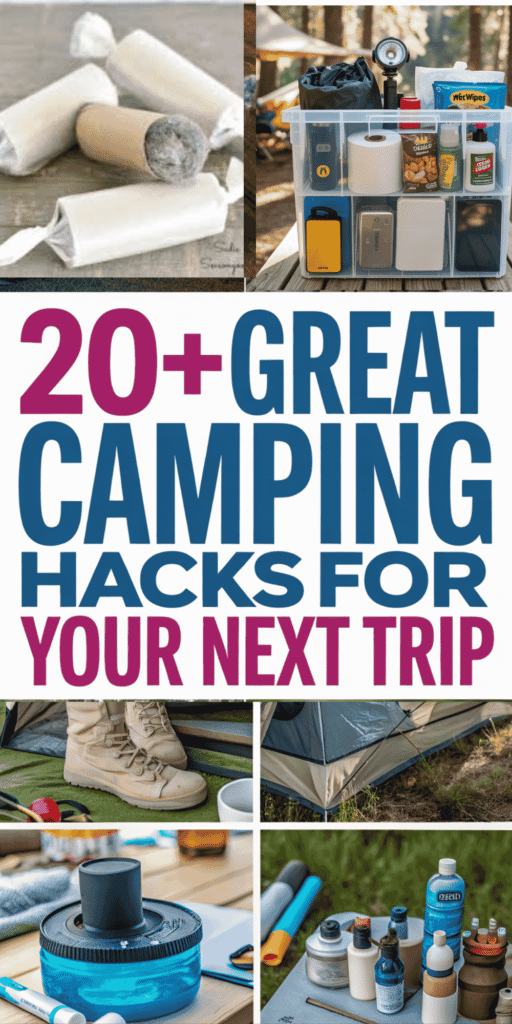
The good news? A few simple hacks can transform your camping experience from chaotic to comfortable.
These aren’t complicated tricks that require special equipment or expert skills. They’re practical, tested solutions that make outdoor adventures smoother and more enjoyable.
Smart Packing Strategies
The key to stress-free camping starts before you even leave your driveway. How you pack can make or break your entire trip.
1- Freeze your water bottles instead of buying ice
This simple switch does double duty: your bottles keep everything cold in the cooler, and as they thaw throughout the day, you have fresh drinking water ready to go. No more soggy sandwiches floating in melted ice water at the bottom of your cooler.

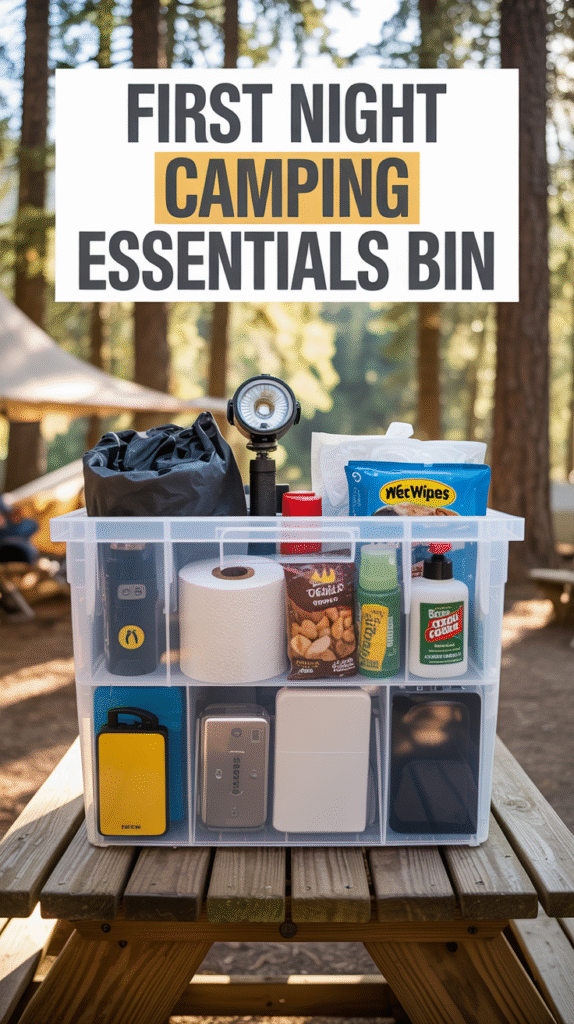
2- Create a “first night” essentials bin.
Load it with flashlights, snacks, toiletries, pajamas, and phone chargers—everything you’ll need immediately upon arrival.
Mark it clearly and keep it accessible. When you roll into camp exhausted after a long drive, you’ll thank yourself for not having to dig through five bags to find a headlamp.
Camp Setup Essentials
- Headlamps or flashlights (one per person)
- Extra batteries or rechargeable power bank
- Mallet or hammer (for tent stakes)
- Tent stakes (extra set)
- Tent footprint or ground tarp
- Duct tape (small roll)
- Multi-tool or pocket knife
- Paracord or rope
Light, Warmth & Safety
- Fire starter (lighter + waterproof matches)
- Emergency blanket
- Bug spray / insect repellent
- Sunscreen
- First aid kit (bandages, wipes, pain reliever)
- Whistle (safety/emergency)
Sleeping Comfort (First Night Only)
- Pillows (compressed or inflatable)
- Extra blanket or sleeping bag liner
- Earplugs
- Sleep masks
Easy First Night Food & Drinks
- Pre-made dinner (foil meals, sandwiches, wraps)
- Snacks (granola bars, trail mix, jerky)
- Marshmallows / s’mores kit
- Water bottles or hydration jugs
- Paper towels
- Wet wipes
Simple Cooking & Eating Gear
- Camp stove or grill starter (if not set up yet)
- Fuel canister
- Lighter
- Basic utensils
- Plates or bowls
- Mugs (for coffee/tea)
- Small cutting board
- Trash bags
Personal Items
- Hand sanitizer
- Toothbrush & toothpaste
- Face wipes
- Lip balm
- Medications (daily or emergency)
Weather & Comfort Extras
- Light jackets or hoodies
- Rain ponchos
- Hat or beanie
- Extra socks
Helpful Extras (Highly Recommended)
- Camp chairs
- Printed campground map
- Reservation confirmation
- Notebook + pen
- Phone chargers
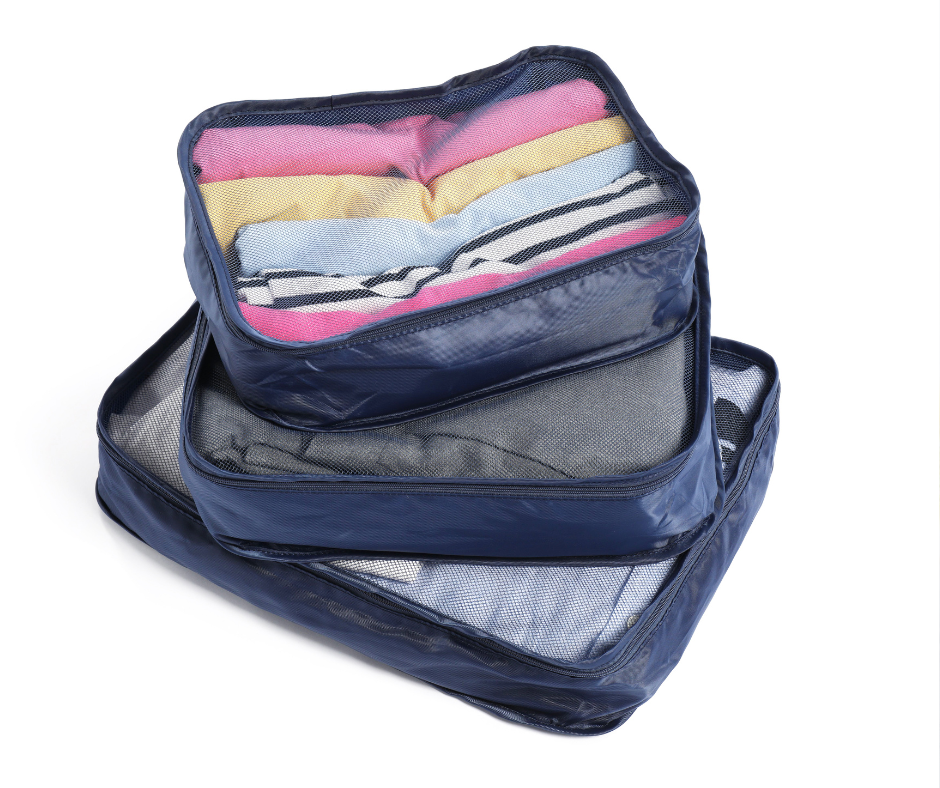
3- Use compression packing cubes to maximize space and stay organized.
Designate one cube for clean clothes, another for dirty laundry, and maybe a third for those items you’re not quite sure about yet.
They compress down to save valuable space in your vehicle and keep everything contained.
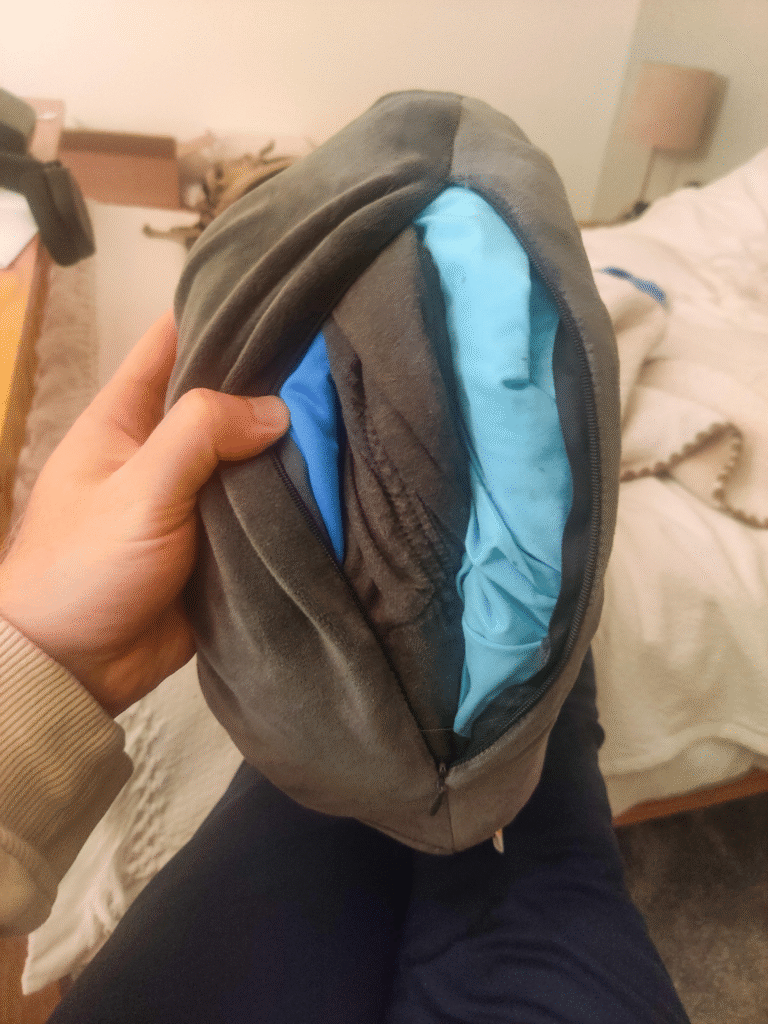
Here’s a clever dual-purpose hack: pack your extra clothes inside a pillowcase.
On the way to your campsite, it’s just efficient packing. Once you arrive, flip it inside out and stuff it with your jacket or fleece for an instant pillow.
As the trip goes on, it becomes your laundry bag for dirty clothes.
Fire and Cooking Wisdom
Campfire cooking is one of the best parts of any camping trip, but it can also be frustrating when you’re struggling with damp wood or complicated cleanup.
4- Prepare fire starters at home before your trip.
Toilet paper rolls stuffed with dryer lint work incredibly well and cost almost nothing. You can also dip cotton balls in melted wax for waterproof starters that burn long and hot.
Here’s a fun fact: corn chips like Fritos are surprisingly effective fire starters because of their oil content.
DIY Fire Starters for Camping
Preparing fire starters at home saves time and ensures you can get a fire going quickly at your campsite. These are simple, safe, and use items you probably already have.

Materials Needed:
- Cotton balls or dryer lint
- Wax (old candles, paraffin, or beeswax)
- Small paper muffin liners or jar lids
- Twine or small sticks (optional, for bundling)
- A double boiler or a microwave-safe container
Instructions:
- Collect Materials
Gather cotton balls, dryer lint, or other small fibrous material. These act as your tinder. - Melt the Wax
- Double boiler method: Place wax in a small pot over boiling water. Stir until fully melted.
- Microwave method: Use a microwave-safe container. Heat wax in 30-second intervals, stirring until melted.
- Prepare the Base
Place cotton balls, dryer lint, or small twigs into paper muffin liners or jar lids. You can also bundle small sticks together. - Dip or Pour Wax
Pour melted wax over the tinder until it is fully coated. If using a muffin liner, make sure the cotton is saturated but not overflowing. - Cool and Set
Let the wax cool completely at room temperature. This should take about 20–30 minutes. - Optional Bundling
Tie small bundles with twine for easy handling. You can make packs of 3–5 fire starters for convenience. - Store Safely
Keep fire starters in an airtight container or a resealable bag. Store away from heat or open flames until ready for your trip.
Tips:
- Use scented candles for a subtle fragrance, but plain wax works best for camping.
- Combine dryer lint and cotton for a faster-lighting starter.
- Test one at home before your trip to make sure it lights easily.
5- Paper egg cartons make excellent charcoal starters for your camping grill.
Fill each cup with a charcoal briquette, light the carton, and let it work its magic. The cardboard burns slowly enough to ignite the charcoal, and you can make several ahead of time.

6- Embrace foil packet cooking for meals that practically make themselves.
Layer meat, vegetables, and seasonings in heavy-duty foil (double-layer for extra durability), seal it up, and place it on hot coals or your camp grill.
Twenty minutes later, dinner is served with virtually no cleanup required. Try sausage with bell peppers and onions, salmon with lemon and herbs, or even breakfast burritos.
Speaking of cleanup, use a plastic cutting board as a divider in the cooler. Slide it vertically through the middle to separate drinks from food, or raw ingredients from ready-to-eat items.
Your organization’s game just leveled up.
7- Pack your seasonings in a pill organizer instead of bringing full-size bottles.
Fill each compartment with the spices you use most—salt, pepper, garlic powder, chili flakes—and you’ve got a compact spice kit that takes up minimal space.
Staying Clean in the Great Outdoors
Hygiene while camping doesn’t have to be complicated, but a few clever tricks can help you feel significantly more human.
8- Use soap leaves
Make single-use soap leaves by shaving thin pieces off a bar of soap and storing them in a small container. Each piece is perfect for one washing, so you never end up with a slimy, sandy bar of soap at the bottom of your bag.
9- Use Baby Wipes
Baby wipes are your backup shower. When there’s no running water or you’re just too tired for the whole routine, a quick wipe-down of your face, underarms, and feet before bed makes a surprising difference in how you sleep.
Protect your toilet paper by storing it in a large ziplock bag with a dryer sheet. This keeps it dry even in humid conditions and adds a fresh scent. Nobody wants damp, falling-apart toilet paper in the woods.
Here’s a simple hanging solution: attach a binder clip to your towel and hook it to a carabiner.
Now you can hang your wet towel anywhere—a tree branch, tent line, camp chair, or vehicle door handle—and it’ll actually dry instead of staying damp and musty.
Bug Defense and Wildlife Awareness
Few things ruin a camping trip faster than constant bug bites or an unwanted visit from wildlife.
10- Toss fresh herbs like rosemary or sage into your campfire to naturally repel mosquitoes.
The smoke carries compounds that bugs dislike, and as a bonus, your campsite smells amazing instead of like chemical bug spray.
11- Sprinkle baby powder around your tent perimeter to create an ant barrier.
Ants won’t cross it, which means they won’t be marching through your sleeping area at 3 AM.
12- Store all scented items properly, including toiletries.
Bears and other animals are attracted to minty toothpaste just as much as they are to food. Use designated bear bags or scent-proof containers, and hang them or store them according to local regulations.
For a decorative bug deterrent, make citronella candles in mason jars. Add citronella oil, water, lemon slices, and floating tea lights. They provide ambient lighting while keeping mosquitoes at bay.
13- Comfort and Convenience Hacks
Small improvements can make a big difference in your overall camping comfort.
14- Bring a dedicated pair of camp-only socks
Bring a dedicated pair of camp-only socks and Change into them right before climbing into your sleeping bag. Fresh, clean socks at bedtime improve your sleep quality more than you’d expect and keep your sleeping bag cleaner.
15- Paint your tent stakes with neon nail polish
Paint your tent stakes with neon nail polish so you can actually find them when it’s time to pack up. This simple visibility hack saves time and prevents you from accidentally leaving stakes behind (which happens more often than anyone wants to admit).
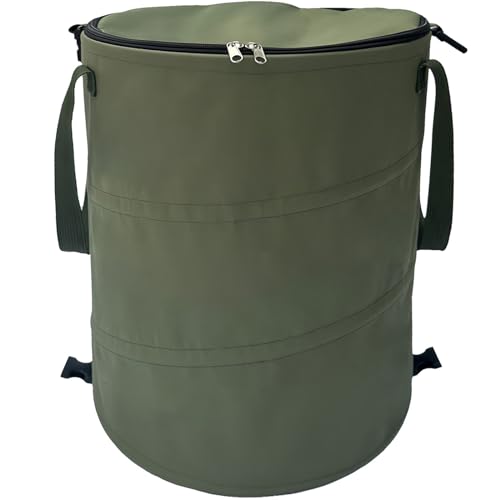
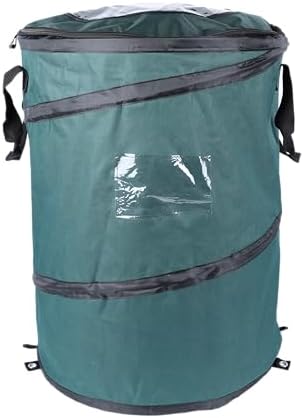
16- Keep a portable pop-up trash can
Keep a portable pop-up trash can at your site instead of wrestling with plastic bags tied to tree branches. It’s more stable, easier to use, and collects waste more effectively.

17- Use mesh produce bags to hang wet towels or contain trash
Use mesh produce bags to hang wet towels or contain trash. They’re lightweight, breathable, and help things dry quickly. Hang them from your canopy frame or a nearby tree branch.
For protecting yourself from sharp edges, slice a pool noodle lengthwise and slide it over tent poles, awning edges, or truck bed rails. It prevents bruises and makes navigating your campsite safer, especially at night.
Organization That Actually Works
18- Organize Your Campsite
An organized campsite is safer and more enjoyable. Designate specific areas for cooking, sleeping, and gear storage. Use collapsible bins or hanging organizers to keep items off the ground and easy to find.
Always clean up food scraps immediately and store trash in sealed bags. This helps keep wildlife away and keeps your campsite tidy.
19- Keep painter’s tape in your camp kit
Keep painter’s tape in your camp kit for labeling food containers, writing reminders, or leaving notes for fellow campers. It sticks well but removes cleanly without leaving residue.
20- Pre-pack s’mores kits
Pre-pack s’mores kits in individual snack-size bags with graham crackers, chocolate squares, and marshmallows. When the fire’s hot and everyone’s hungry, you’ll have perfectly portioned treats ready to go without the chaos.
21- Store a deck of cards in your vehicle’s glove box
Store a deck of cards in your vehicle’s glove box permanently. Rainy afternoons, dead phone batteries, or quiet evenings around the fire all become opportunities for connection and entertainment.
22- Safety and First Aid Essentials
Never go camping without a basic first aid kit. Include bandages, antiseptic wipes, pain relievers, blister treatment, and any personal medications.
Let someone know your trip plans and expected return time, especially if camping in remote areas. Carry a map, compass, or offline GPS app in case you lose cell service.
Final Thoughts
The best camping trips aren’t about having the fanciest gear or the most elaborate setup. They’re about being prepared enough to relax and actually enjoy your time outdoors. These hacks won’t solve every camping challenge, but they’ll eliminate a lot of the small frustrations that add up over a trip.
Start with a few tricks that address your biggest pain points. Maybe that’s organization, or cooking, or staying clean. Try them out on your next trip and see what works for your camping style. Before you know it, you’ll have your own collection of tried-and-true hacks that make every adventure a little bit better.
Now get out there and make some memories—just don’t forget to freeze those water bottles first.

Hi, I’m Sabah — the cook behind grillcuisines! I share easy, family-friendly recipes made with love and simple ingredients.